When people hear the word civility, they often think of good manners or politeness. Courtesy is certainly part of civility, but the term describes a broader set of skills. It involves listening with curiosity, communicating with respect, and engaging thoughtfully with people whose experiences or perspectives differ from our own. Civility also makes civil discourse possible. When students practice it, they can exchange ideas with integrity and mutual respect.
Students regularly encounter a wide range of ideas in the classroom, on athletic teams, in music ensembles, and in their communities. On college campuses and in the workplace, that range of perspectives will only grow. Learning to share their own views while staying open to others helps them grow as thinkers, collaborators, and leaders.
|
|
What Does Civility Mean?
A simple definition of civility is the practice of engaging with others respectfully, even when opinions differ. It shows up in how a person listens, speaks, and responds in conversation and disagreement, whether in a class debate, among friends, or in a discussion about a difficult topic. Examples of civility include listening without interrupting, asking questions to understand another view, and disagreeing calmly.
Civility does not require agreement. Two students can reach different conclusions and still have engaged civilly. What matters is that each person listened, spoke honestly, and treated the other with respect.
Civility vs. Respect
Respect and civility are closely connected. Respect is the regard a person holds for someone else's dignity and worth. Civility is how that regard is expressed in behavior.
The difference matters most during disagreement. A student may reject a particular idea or argument and still treat the person who holds it with respect. Civility allows people to challenge ideas honestly without dismissing one another.
The Skills That Make Civility Possible
Civility is built from specific skills that students can learn and practice over time:
|
|
|
|
|
|
|
|
Why Civility Is an Essential College Readiness Skill
Preparing for college involves more than earning strong grades. High school is when students build the habits they will rely on in college: considering different perspectives, communicating respectfully, and thinking critically about complex issues. Discussion-based classes are one of the best places to practice them. Students will use these habits in college seminar discussions, group projects, campus leadership roles, and the workplace.
According to Education Week, colleges and employers increasingly value civility as they work to keep a range of viewpoints on campus and build diverse workplaces. Some colleges now consider this skill in admissions. In 2025, eight selective colleges, including MIT, Johns Hopkins University, and Vanderbilt University, announced they would accept "civility transcripts" from a pilot program called Dialogues. In the program, students ages 14 to 18 record conversations with peers who disagree with them and receive feedback on skills such as active listening.
Like other college readiness skills, civil discourse develops through regular practice. Meaningful learning often begins when people are willing to listen as carefully as they speak.
For families comparing high schools, civility is one of several qualities worth looking for. Choosing a Private High School: What Matters Beyond College Admissions covers others, including school culture, student support, and values.
What Civility Looks Like in Upper School at Friends

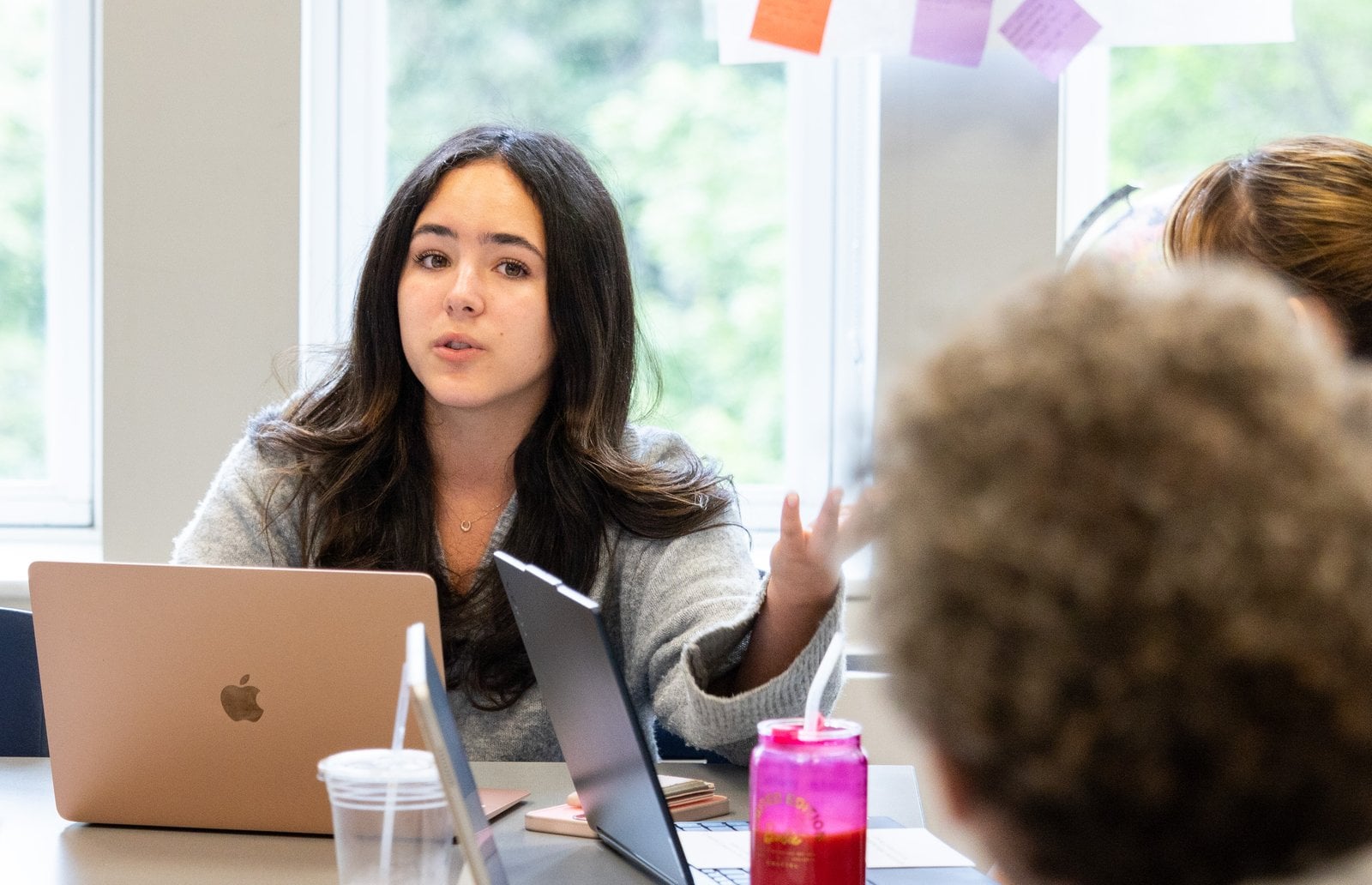
At Friends Academy, a college-preparatory school on Long Island, NY, civility is part of daily learning across the Upper School. Classes draw on Quaker pedagogy and use seminar-style, roundtable discussion across disciplines. Students examine complex issues from multiple perspectives, support their thinking with evidence, and respond thoughtfully to classmates.
Upper School Principal Mark Schoeffel describes the experience this way: “Our exceptional program springs to life through rigorous discourse and dynamic inquiry. As our students learn to ask more meaningful questions, we dare them to look beyond themselves.”
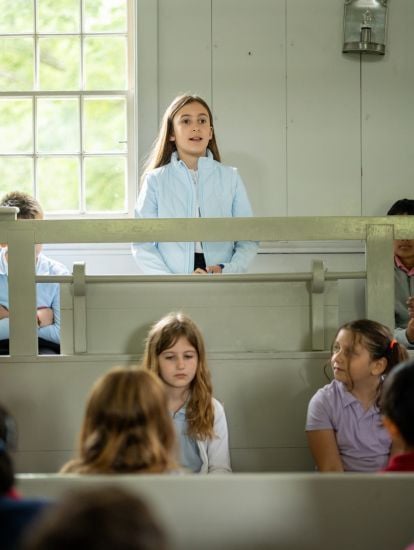
Classes and assemblies begin and end with a moment of silence. This shared pause gives students time to settle, reflect, and come to discussion ready to listen, which forms the foundation for civil conversation.
A few examples show how this works in practice:
- History: Classes use the Harkness Method, a discussion format grounded in principles of civil discourse. Students bring their own perspectives and experiences to conversations, weigh competing interpretations of the past, and build evidence-based arguments.
- English: Students learn to read carefully, communicate clearly, and listen well. They develop and defend arguments in writing and in discussion.
- Ethics across subjects: Upper School courses connect academic content with moral reasoning and civic awareness. Students might examine global inequities in History or ethical questions in Science.
- Queries: Quaker education relies on thought-provoking questions called queries. Students respond to queries by sharing ideas and building on their peers' thinking.
Civility Beyond the Classroom
Weekly Meeting for Worship gives each division time for shared silence and reflection. Students listen to the reflections classmates and teachers choose to share, building empathy, active listening, and public speaking skills along the way. This practice is rooted in Friends Academy’s Quaker approach to education, which emphasizes diverse perspectives, respectful discourse, and finding common ground. In our 2026 Open House recap, alumni from across the decades describe what weekly Meeting meant to them.
Service carries these habits into the wider community. Every Friends Academy student participates in community service, and Upper School seniors complete an Independent Service Project as a graduation requirement. Seniors spend several weeks researching and connecting with a nonprofit that matches their interests, then devote about three weeks to the project itself.
For a closer look at seminar-style classes, real-world learning, and community life in Grades 9–12, download the Upper School Divisional Overview.
Frequently Asked Questions
What is classroom civility?
Classroom civility is the shared practice of discussing ideas respectfully during class. It includes listening closely, responding to classmates’ points, and disagreeing without personal criticism.
What is the difference between civility and politeness?
Politeness refers to good manners in everyday interactions. Civility is how people treat one another during disagreements or difficult conversations, when respect is hardest to maintain.
Why is civility important for high school students?
High school is when many students begin forming their own views on complex topics. Civility helps them share those views, listen to others, and work through disagreement—skills they will use in college and beyond.
How can parents help teens practice respectful disagreement?
Parents can model it at home by listening fully and explaining their reasoning calmly. Talking about books or current events, and asking teens to explain a view they disagree with, gives them low-stakes practice.
Preparing Students for College and Lives of Purpose
100% of Friends Academy graduates attend top four-year colleges and universities.
Along with their academic preparation, Friends Academy graduates bring the habits they practiced in Upper School classrooms, Meeting for Worship, and service, including the ability to listen closely, speak with care, and engage across difference. Those habits stay with them in college communities and in their careers as they build lives of purpose and principle.
To see how civility and inquiry shape the Upper School experience, explore the Upper School Divisional Overview.
Download Premium
Lorem ipsum dolor sit amet, consectetur adipiscing elit, sed do eiusmod tempor incididunt ut labore et dolore magna aliqua.